
Is It Time to Replace Your Flooring? Key Signs Homeowners Should Look For Pt. 2
Your floor is one of the most important parts of your home. A functional floor is crucial to everyday life, enhancing comfort and aesthetic appeal. The way your floor looks and feels sets the tone for the rest of the house.
In this article, we’ll explore when to replace your flooring, including the signs of damage and wear, and what to expect during a flooring replacement with Hernandez Wholesale Flooring.
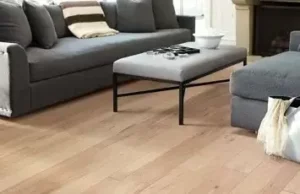
Why Flooring Replacement Matters for Comfort and Resale Value
Replacing your flooring improves your home comfort in various ways. It enhances the look, modernizes your space, and can even improve your home’s smell. The right flooring can add better functionality to the room, like a warm, plush carpet in the bedroom or a durable, waterproof vinyl floor in the basement. There are even new flooring materials and underlays that improve your home’s energy efficiency.
These perks also increase your home’s resale value by providing a clean, updated, move-in-ready feel that makes a strong first impression on potential buyers.
10 Signs It’s Time To Replace Your Flooring
Some of the most common signs you need new flooring include:
Persistent Stains and Odors (Especially in Carpet)
The most obvious worn-out carpet symptoms are stains and odors that won’t come out, no matter how often you clean. These set-in issues are permanent, making the carpet (and your home) appear dirty and smell bad.
Deep Scratches, Dents, or Gouges in Wood or Vinyl
Although you can sometimes repair vinyl and hardwood floor damage, signs that your flooring will need replacement include splintering, cupping, signs of rot or mold in wood, and penetration into the core of the vinyl.
Warping or Bubbling in Laminate or LVP
Warped laminate flooring can’t usually be repaired because it’s typically caused by moisture issues or improper installation. If your laminate or LVP floor is warping or bubbling, it’s likely compromised and should be replaced.
Cracked or Uneven Tiles
Multiple cracks and uneven tiles indicate it is time to update your flooring. Not only does it look bad, but it also presents a tripping hazard. Replacement will provide you with a long-lasting, better-looking floor.
Mold or Mildew in Water-damaged Areas
Water damage is an excellent reason to upgrade old floors. Mold and mildew thrive in dark, damp areas and can pose health hazards and cause serious structural damage beneath the flooring. Mold remediation often requires floor replacement for this reason.
Squeaking or Loose Floorboards
While minor floor squeaks and creaks are normal, if there’s significant noise, gaps, sagging, or widespread squeaking that’s worsening, it could indicate an underlying issue that requires replacement.
Musty Smells that Don’t Go Away
If your floor or carpet smells musty, it could be due to underlying mold and mildew growth. Removing the affected materials, including the subfloor, will help prevent future issues, especially if you install a moisture barrier in more humid areas such as basements and bathrooms.
Faded Areas from Sunlight
Living in the Los Angeles area means enjoying almost year-round sunshine. Unfortunately, too much sun can lead to faded flooring. Repair or replace your sun-bleached carpets for a fresh look.
Allergies Triggered by the Old Carpet
Carpet fibers can trap allergens like pet dander, dust mites, and pollen, continuously contaminating the air you breathe and irritating your airways. Replacing or switching to hard flooring will help you breathe more easily.
Flooring is 15–20+ Years Old
Many California homes are aging, including the floors. While some materials, such as hardwood, last for decades, others can’t be refinished and begin to show significant wear as they age.
Flooring Type Lifespan: What To Expect
How long does flooring last? The answer depends on use, flooring type, material and installation quality, and maintenance. The typical flooring age limits are as follows:
- Carpet: 10 to 20 years
- Laminate flooring: 15 to 25 years
- Vinyl flooring: 20 to 25 years
- Engineered hardwood: 20 to 30 years
- Ceramic or porcelain tile: 50 years or longer
- Solid hardwood: Up to 100 years
Should You Repair or Replace?
One of the questions we hear most often in our showroom is: “Should I replace old flooring?” The answer isn’t always straightforward, especially when you have a classic hardwood that can be refinished. Repair may be a better option if:
- It has only minor damage, such as scratches and dents.
- You have a limited budget.
- You’re concerned about environmental sustainability.
If the subfloor has been compromised, there’s extensive damage, structural issues, or safety concerns like mold growth, or if you’re ready for an update, replacement is a better option.
Contact Hernandez Wholesale Flooring to book a flooring inspection, refurbishment, or replacement, and we’ll help you get started with a free estimate.
How To Plan for a Flooring Replacement
The first steps to planning a flooring replacement are:
- Step 1: Research flooring options that suit your lifestyle, aesthetic preferences, and budget. Consider how you want the room to look and how you’ll use it.
- Step 2: Visit our showroom or speak with a flooring expert about your options, and schedule your free estimate.
- Step 3: Remove all items from the room(s) and have all old flooring removed before installation day.
- Step 4: Plan to be at home during installation and ensure children and pets are kept away from the work area.
- Step 5: Enjoy your new floors!
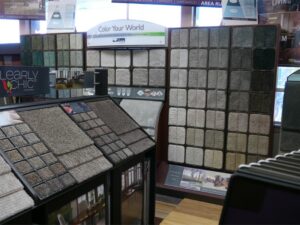
Ready for New Floors? Visit Hernandez Wholesale Flooring
At Hernandez Wholesale Flooring, we offer LA County home and business owners a wide variety of new flooring options. We can help you determine whether it is time to replace your floors and enhance your home with durable, high-quality installations.
Contact us today to schedule a consultation to explore our selection, or visit our Commerce, CA, showroom to see what we have to offer.

About the Author
Since 1995 Steven Hernandez has been at the heart of Hernandez Wholesale Flooring, helping build the family-owned business alongside his parents and siblings from the ground up. Today, as Vice President, he continues to lead with the same passion, integrity, and dedication that have been the foundation of the company for decades. Turning a family dream into a trusted local business.
With a deep love for the flooring industry, Steven takes pride in providing customers with quality products, expert guidance, and personalized service. His enthusiasm is evident in every project—whether it’s helping a local family transform their home or working on commercial projects for larger clients. For him, flooring is more than a business—it’s a craft and a calling.