Best Carpet Padding Thickness for Comfort & Durability
When choosing your floors, a lot of the focus naturally goes to the top layer. For carpets, you’ll probably spend most of your time choosing between colors, fibres, and textures of the carpet layer that you’ll actually be walking on. However, one aspect of carpeted flooring often goes overlooked — the padding. In this guide, we’ll explain how to choose the best carpet padding thickness for you, cover the purpose and importance of this floor layer, and demystify thickness charts and how they help you make a decision.
What Does Carpet Padding Do, and Why Is It So Important?
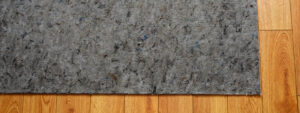
Carpet padding is a layer of material that sits between your subfloor and the top layer of carpet. It helps make the carpet softer underfoot, prevents premature carpet damage by absorbing the impact of footsteps, and dampens sound in the home. It also provides extra insulation, warming up the space, and keeping your feet comfortable in the colder months.
Beyond these benefits, durable carpet padding also extends the lifespan of the carpet. By dispersing the weight of people and furniture across a wider area, it prevents carpet fibres from getting crushed against the subfloor, meaning your carpet will look and feel new for longer.
Ideal Carpet Padding Thickness for Different Rooms
Now that we understand the purpose of carpet padding, let’s look at how to choose the right one when picking out new carpet for your home. There’s no single ‘best’ carpet padding, and we often suggest different flooring products depending on the room we’re working on.
Generally, thicker carpet padding means a softer, more comfortable feel underfoot. We recommend choosing thicker options (usually 7/16”) when selecting carpet padding for bedrooms. This provides a warmer, more luxurious feel in a private space. On the other hand, we suggest thinner options (⅜” or less) when picking out carpet padding for stairs, entryways, hallways, and other high-traffic areas.
Popular Carpet Pad Types and Their Pros & Cons
Beyond thickness, carpet pads come in a variety of types, each with their own advantages and downsides to consider. Here are some of the most popular:
Rebonded Foam
Rebond carpet padding is the most common material by far, thanks to its low cost, variety of thicknesses, and overall versatility. It’s made of 100% recycled foam, which means it has a much lower environmental impact than other options. It’s also highly durable, usually requiring less maintenance than other options. However, this padding can degrade when stepped on too frequently, meaning it’s not always the best choice of carpet padding for high-traffic areas.
Prime Foam
Prime foam is made from ‘virgin’ polyurethane foam, which means it is not recycled. This means a higher environmental impact, but also increased durability and firmness. This is a relatively low-cost padding option (depending on your desired density and thickness), and the air pockets in the material make for a soft, comfortable step. However, these same air pockets can compress over time, leading to carpet damage.
Memory Foam
Memory foam carpet padding is an increasingly popular option, bringing the luxurious comfort of this material to the floors of your space. While this is arguably the most comfortable carpet pad money can buy, it’s quite a bit more expensive than other options, and by its nature, it will start to reform in high-traffic areas.
Fiber Pad
Fiber pad is a popular option for low-pile carpets, high-traffic areas, and commercial spaces. It’s low-cost, low-maintenance, and durable, but doesn’t offer the same comfort underfoot as foam padding. In the past, these pads were sometimes made from natural fiber, which were susceptible to mold growth, but most are now made synthetically, eliminating this risk.
Is Thicker Always Better? Not Necessarily
So, how thick should carpet padding be? As it turns out, thicker doesn’t always mean better.
Industry Standards
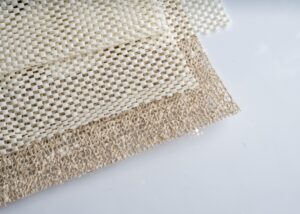
The standard padding thicknesses are 7/16” and ⅜”. 7/16” padding is soft, plush, and thick, offering a comfortable feel and a plush appearance to carpets. But this thick padding gets compressed over time, which means it’s not the best choice for high-traffic areas. ⅜” padding, on the other hand, is thinner and slightly firmer, which means it holds up better.
Why Density Matters More Than Thickness
A dense carpet pad is the best way you can maintain your carpet. High-density padding absorbs the impact of footsteps on the carpet, preventing carpet fibres from matting, crushing, or wearing unevenly. While the thickness has more effect on the softness and feel, the density is the most important factor for the lifespan of the carpet.
Potential Issues with Too-thick Padding
If your padding is too thick, you face a few risks. Certain rugs, such as Berber wool rugs, can become damaged very quickly if the padding is too thick. Overly thick padding can also make it more dangerous to walk on stairs, increasing the risk of tripping.
How to Read a Carpet Padding Thickness Chart
When choosing carpet padding, you’ll come across a carpet padding thickness chart. There are three main pieces of information on these charts: The traffic level (usually heavy, regular, and low), the thickness (⅜”, 7/16”, ½”, etc.), and the weight or density (typically 6lbs, 6.5lbs, and 8lbs).
Choosing the Right Carpet Pad for Your Needs
Quality padding is one of the best carpet installation comfort upgrades you can make. Consider the traffic the area gets, the desired softness, and the durability you’ll need out of the carpet. This will help you choose between softer, thicker materials and denser, more durable ones. If you’re not sure, a local flooring pro can offer personalized carpet padding tips to help.
Upgrade Your Comfort: Talk to the Carpet Experts at Hernandez
If you’re ready to enjoy a warm, comfortable, luxurious space, your carpet padding is a great place to start. Though you’ll never see it, you’ll enjoy the soft feel of this flooring feature every day. If you’re ready to upgrade your home comfort, the flooring pros at Hernandez Wholesale Flooring are here to help you choose and install the perfect padding for your needs. Contact us to start the process today!

About the Author
Since 1995 Steven Hernandez has been at the heart of Hernandez Wholesale Flooring, helping build the family-owned business alongside his parents and siblings from the ground up. Today, as Vice President, he continues to lead with the same passion, integrity, and dedication that have been the foundation of the company for decades. Turning a family dream into a trusted local business.
With a deep love for the flooring industry, Steven takes pride in providing customers with quality products, expert guidance, and personalized service. His enthusiasm is evident in every project—whether it’s helping a local family transform their home or working on commercial projects for larger clients. For him, flooring is more than a business—it’s a craft and a calling.